Is Brazilian Jiu-Jitsu Good for Self-Defense?
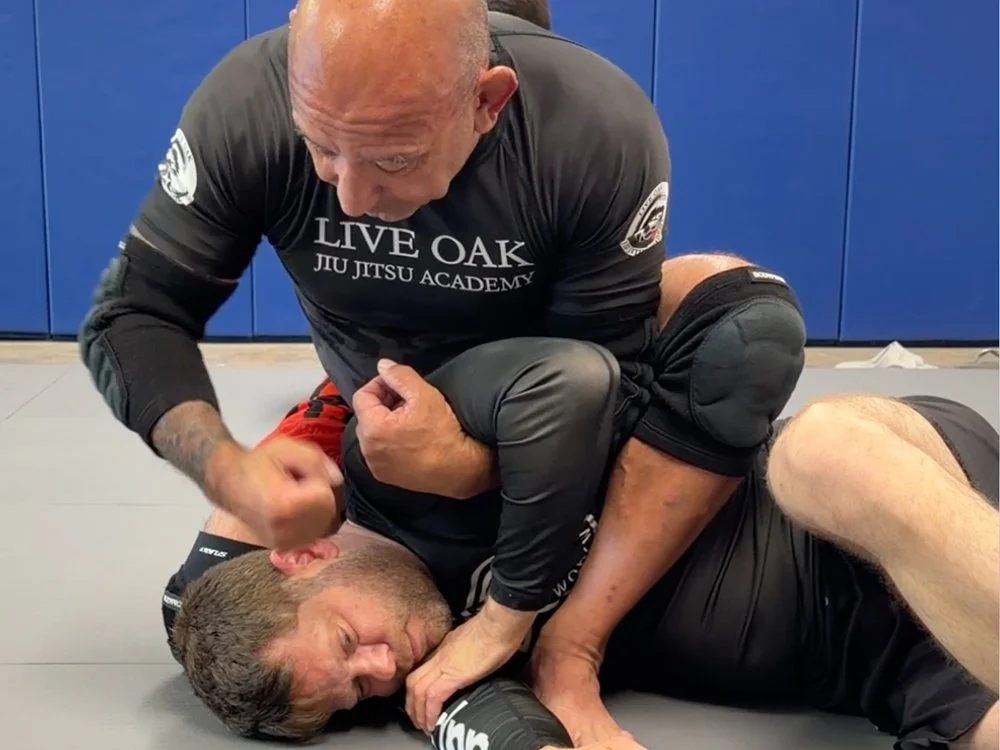
If you're considering martial arts for self-defense, you've probably come across Brazilian Jiu-Jitsu—and for good reason.
BJJ is widely respected because it emphasizes leverage, positional control, escapes, and the ability to manage physical confrontations without relying on size or strength alone. Rather than teaching students to overpower an opponent, it teaches them to think, move, and respond with technique.
At Street Sports BJJ, many students begin training because they want to feel more confident and capable. Along the way, they also gain fitness, discipline, and a supportive community.
Why Brazilian Jiu-Jitsu Is Different
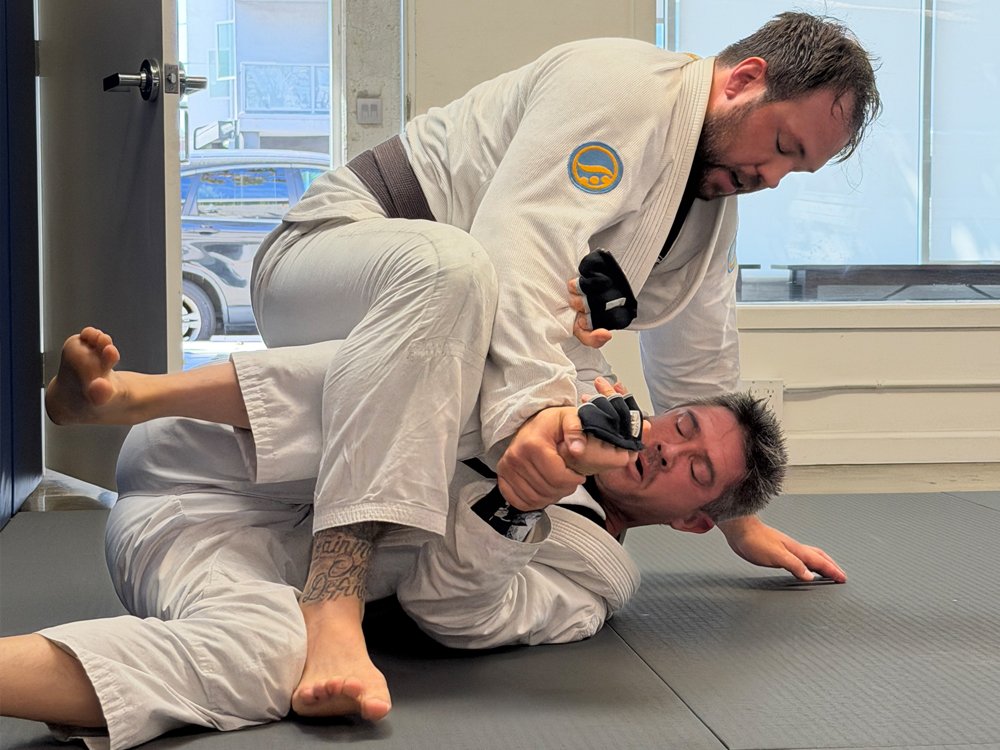
Many martial arts focus primarily on striking.
Brazilian Jiu-Jitsu takes a different approach by teaching students how to:
Maintain balance and posture
Escape disadvantaged positions
Control an opponent through leverage
Create opportunities to disengage when appropriate
Stay calm while solving problems under pressure
These principles make BJJ a unique and valuable part of a well-rounded self-defense education.
Self-Defense Is About More Than Fighting
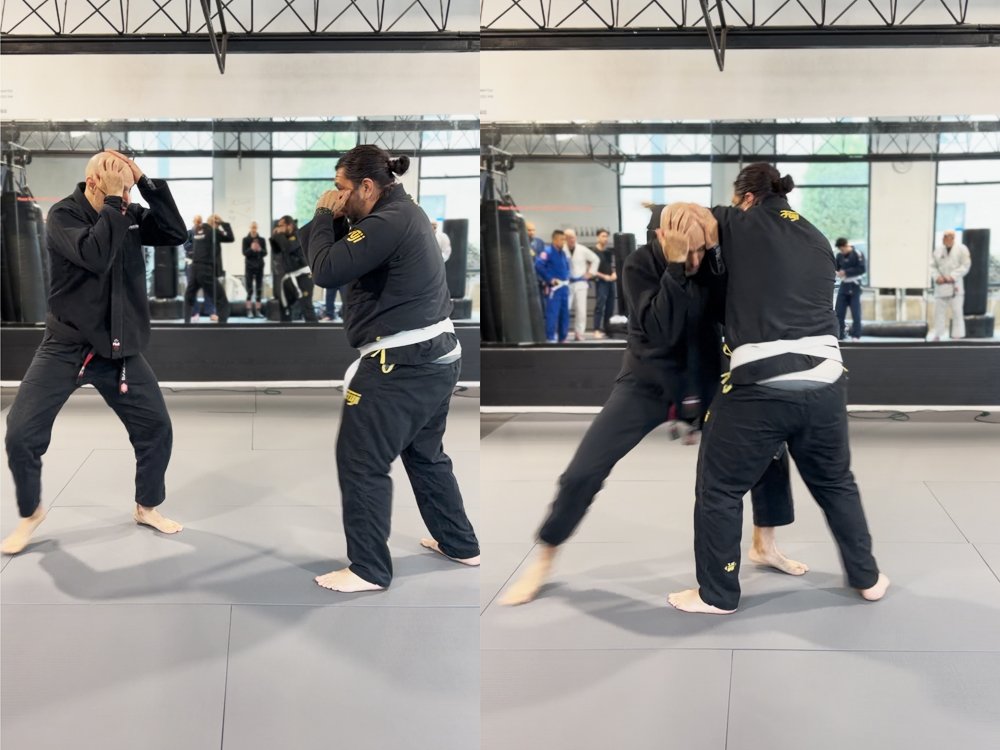
One of the biggest misconceptions about self-defense is that it's only about techniques.
In reality, effective self-defense also includes:
Awareness of your surroundings
Avoiding unnecessary confrontations
Managing distance
Making sound decisions under stress
Knowing when to leave a situation
At Street Sports BJJ, we believe that good judgment is just as important as good technique.
Why Technique Matters More Than Strength
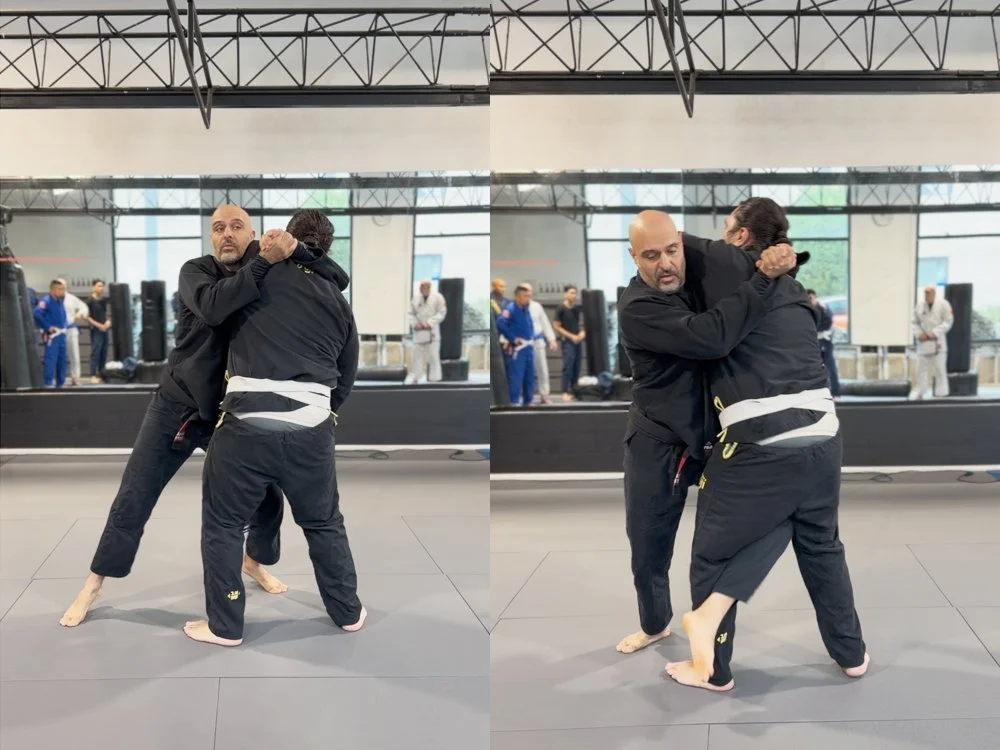
One of the reasons Brazilian Jiu-Jitsu has become so popular is that it demonstrates how leverage and body mechanics can help a smaller person control or escape from a larger, stronger individual.
That doesn't mean size and strength don't matter—they do.
But BJJ gives students tools to improve their chances by emphasizing efficient movement, positioning, and timing rather than relying on physical power alone.
Building Confidence Through Training
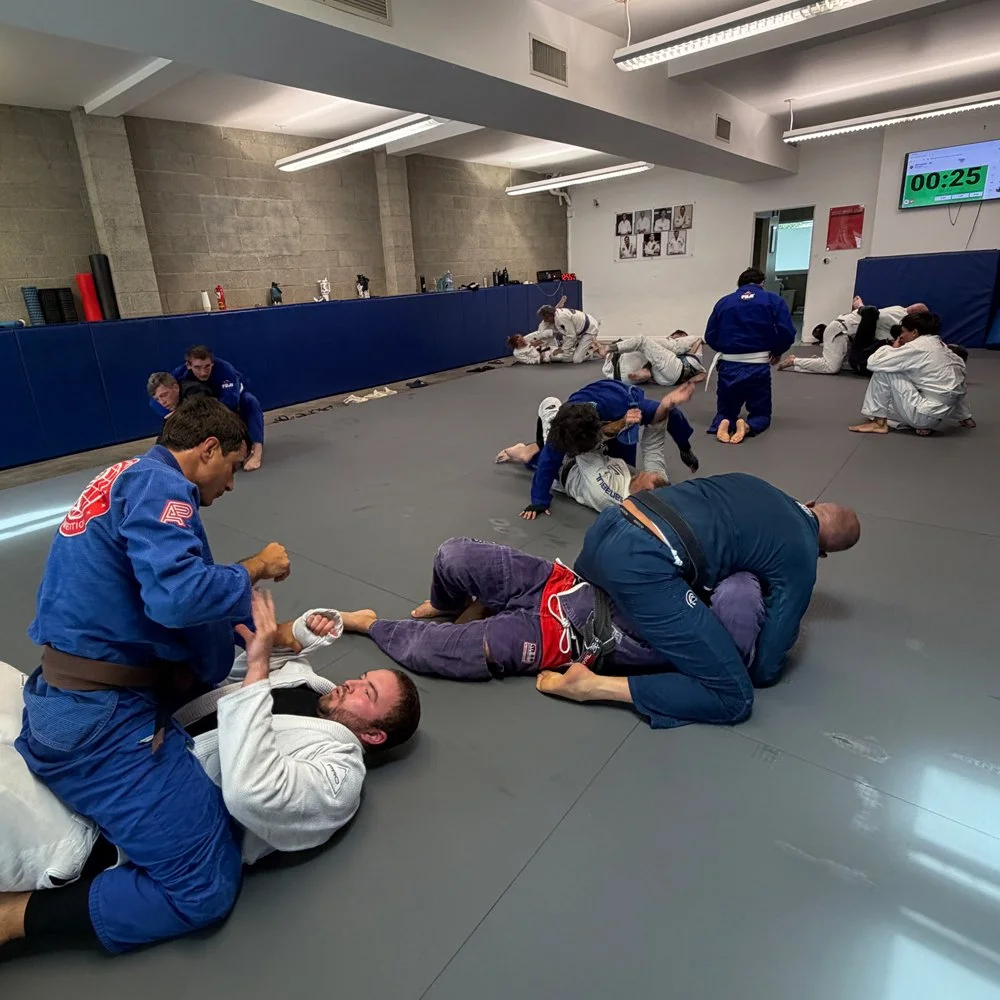
Confidence doesn't come from memorizing techniques.
It comes from practicing them consistently in a safe, supervised environment.
As students train over time, they often notice improvements in:
Staying composed under pressure
Problem-solving in dynamic situations
Physical conditioning
Body awareness
Confidence in everyday life
Many members tell us these benefits extend well beyond the mats.
Is Brazilian Jiu-Jitsu Right for Beginners?
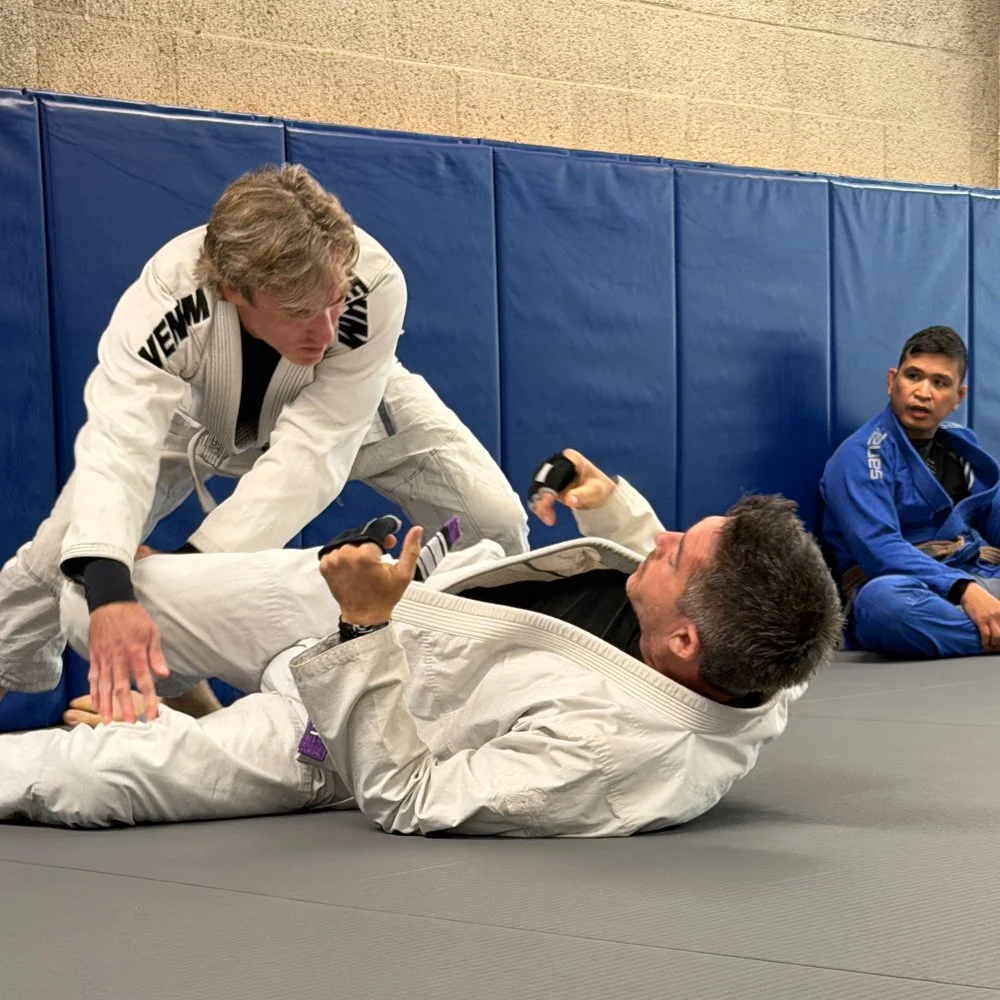
Absolutely.
You don't need prior martial arts experience to start learning BJJ.
Our beginner classes introduce students to:
Fundamental positions
Escapes
Safe movement
Controlled partner drills
The core principles that form the foundation of Brazilian Jiu-Jitsu
Frequently Asked Questions
Is Brazilian Jiu-Jitsu enough for self-defense?
BJJ is a highly effective martial art that develops important self-defense skills. A comprehensive approach to personal safety also includes awareness, avoidance, communication, and sound decision-making.
Do I need to be strong to learn BJJ?
No. Brazilian Jiu-Jitsu is built around leverage and technique. Students of many ages, body types, and fitness levels train successfully.
Can women benefit from Brazilian Jiu-Jitsu?
Yes. Many women choose BJJ because it emphasizes technique, positional control, and confidence. Everyone's training goals are different, and classes are structured to provide a safe, respectful learning environment.
Will I get hurt?
Why Students Choose Street Sports BJJ

People come to Street Sports BJJ for many reasons.
Some want to improve their fitness.
Some are looking for a new challenge.
Others want to develop practical self-defense skills in a supportive environment.
Whatever your goal, our experienced instructors and welcoming community are here to help you build confidence, learn effective Brazilian Jiu-Jitsu, and enjoy the journey.