Can I Start Brazilian Jiu-Jitsu
at 40?
One of the most common questions we hear from prospective students is:
"Am I too old to start Brazilian Jiu-Jitsu?"
The short answer is no.
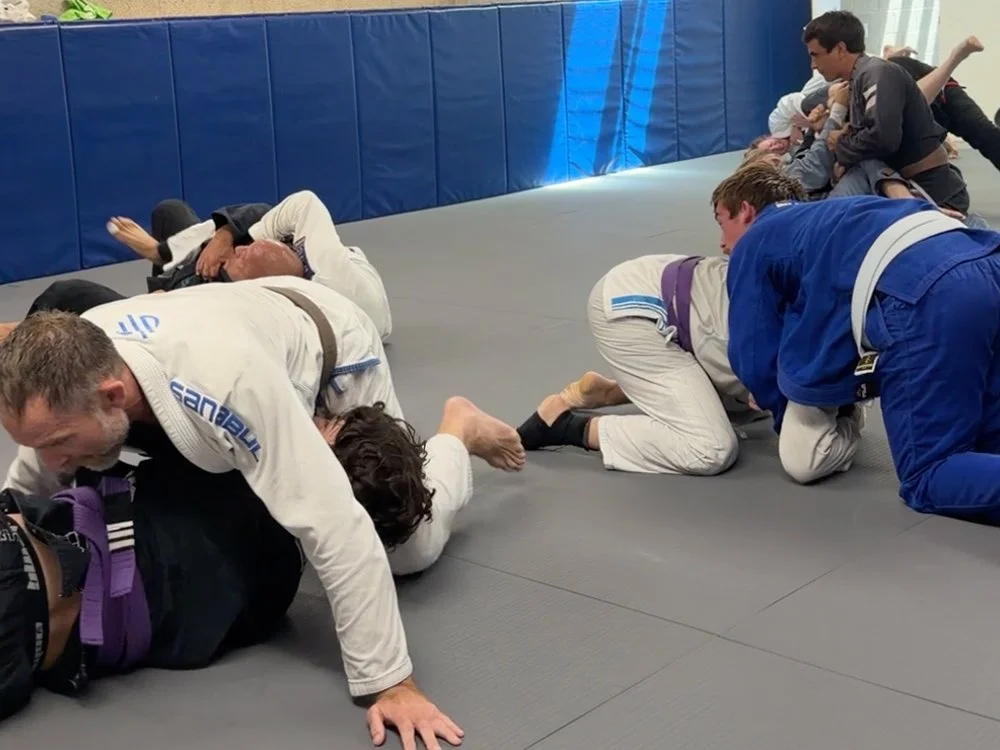
In fact, many people begin training in their 40s, 50s, and even later. Brazilian Jiu-Jitsu isn't about being the youngest or the strongest person in the room—it's about learning effective techniques, improving over time, and enjoying the process.
At Street Sports BJJ, we've helped adults from all walks of life take their first steps on the mats. Whether your goal is to improve your fitness, learn practical self-defense, reduce stress, or simply challenge yourself with something new, it's never too late to start.
Why So Many Adults Wait Until Their 40’s
Life has a way of filling your schedule.
Between work, family, and other responsibilities, many people put off trying something they've always wanted to do.
Some tell themselves:
"I'm too old."
"I'm too out of shape."
"Everyone else will be younger than me."
"I'll probably get hurt."
These concerns are understandable—but they're also some of the biggest reasons people miss out on a rewarding experience.
The truth is that many adults start Brazilian Jiu-Jitsu later in life and find that it becomes one of the most enjoyable parts of their week.
You Don’t Need to Be in Great Shape First
One of the biggest myths about Brazilian Jiu-Jitsu is that you need to get fit before you begin.
You don't.
Training itself helps improve your:
Cardiovascular endurance
Functional strength
Balance
Flexibility
Mobility
Coordination
Classes are physically challenging, but beginners progress at their own pace.
Consistency matters far more than starting in perfect condition.
Brazilian Jiu-Jitsu Is About Technique, Not Athleticism Alone
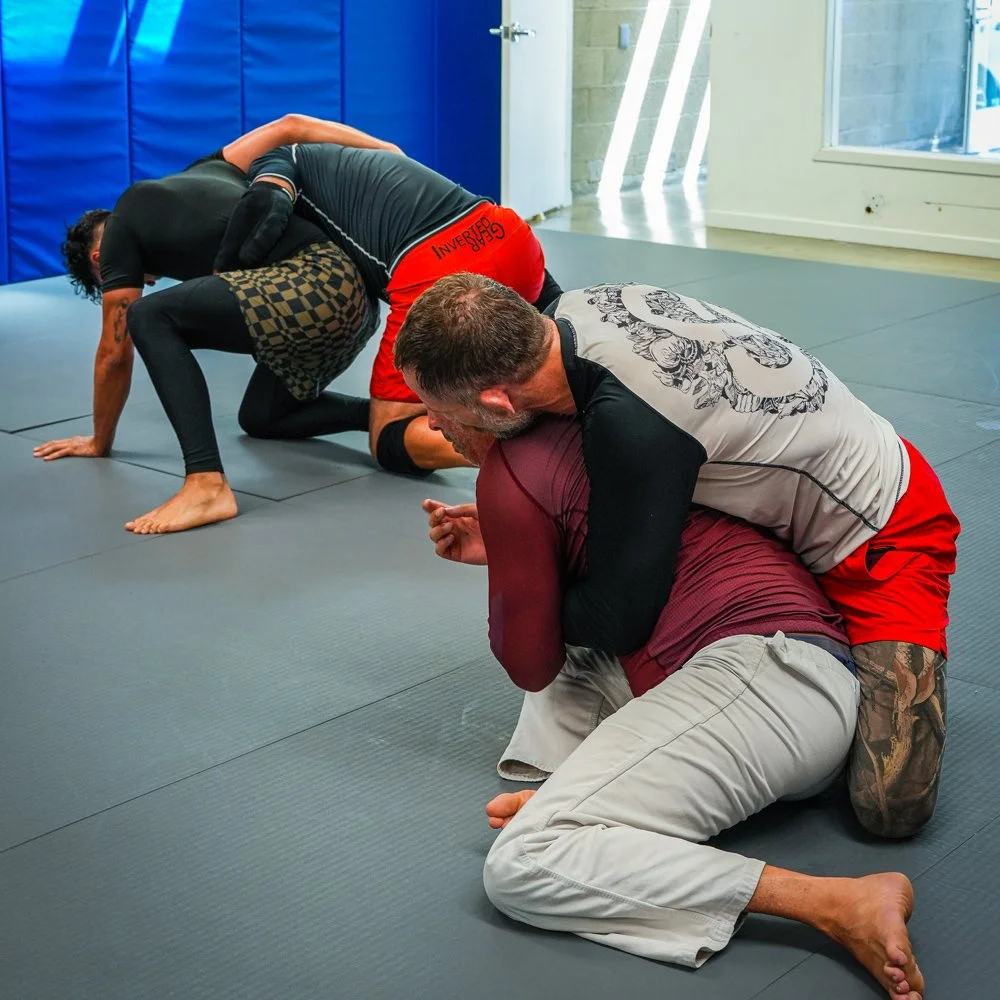
While strength and conditioning can be helpful, Brazilian Jiu-Jitsu places a strong emphasis on:
Timing
Leverage
Positioning
Problem-solving
Efficient movement
These are skills that improve through practice and repetition.
Many adults appreciate that BJJ rewards patience, learning, and technical development—not just speed or raw power
What Is It Like Starting at 40?
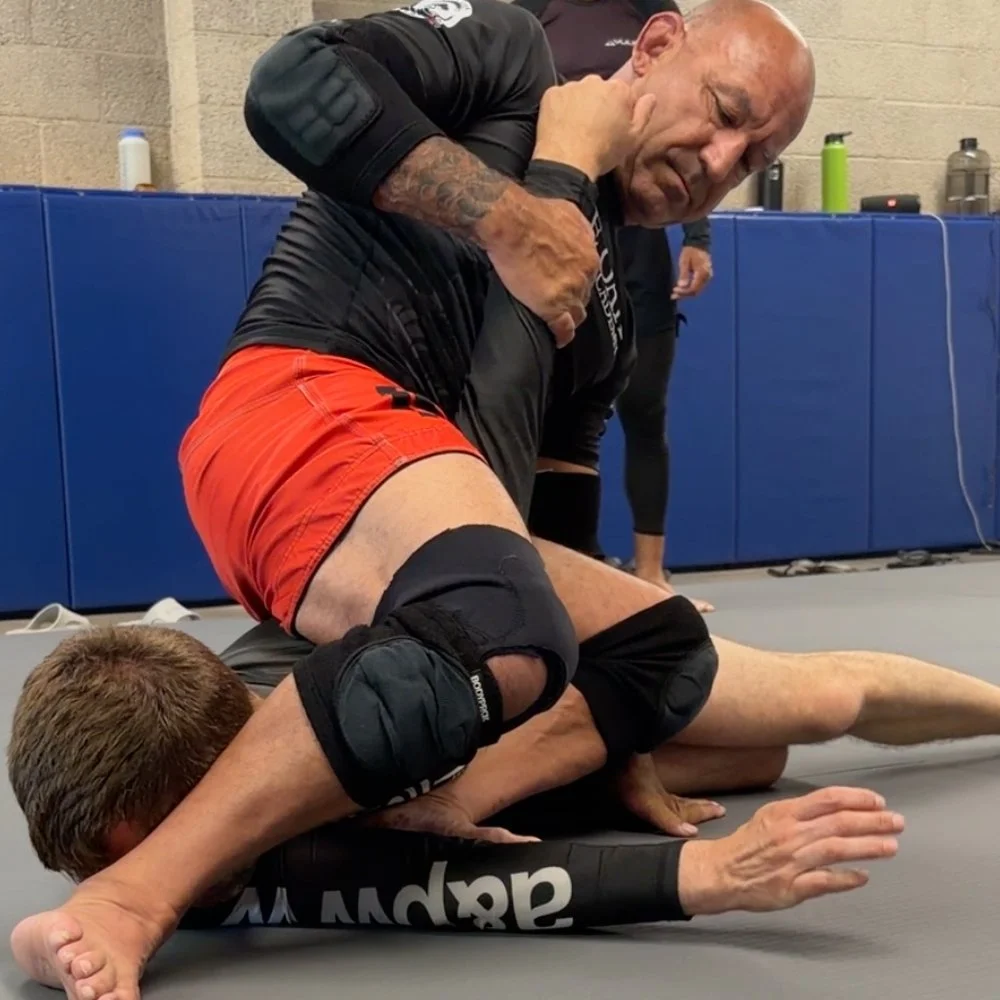
Many adults initially join because they want a better workout.
They stay because Brazilian Jiu-Jitsu offers benefits that extend into everyday life.
Students often report improvements in:
Confidence
Stress management
Focus
Discipline
Mental resilience
Problem-solving
Overall well-being
Training becomes more than exercise—it becomes a rewarding lifelong pursuit.
The Benefits Go Beyond Fitness
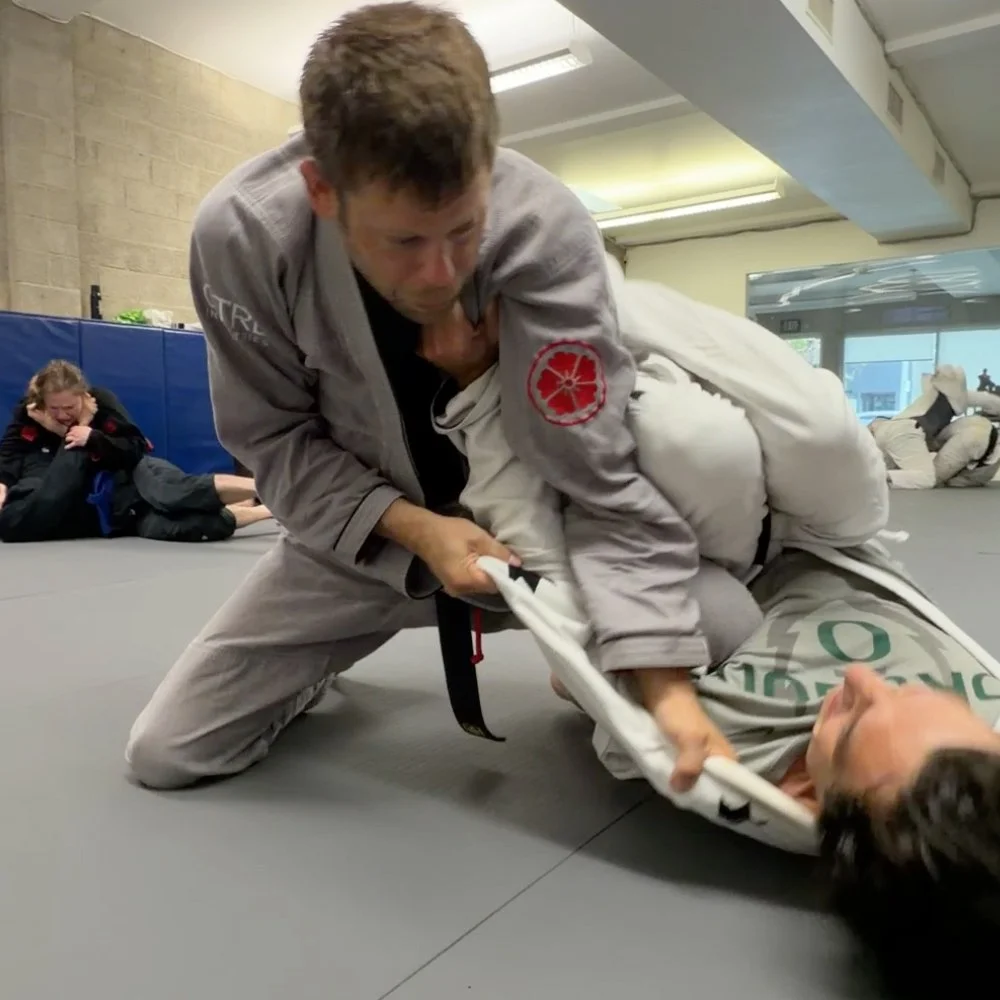
Your first class probably won't look the way you imagine.
You won't be expected to know techniques.
You won't be asked to "prove yourself."
Instead, you'll:
Learn fundamental movements.
Practice basic techniques.
Train in a safe, structured environment.
Ask questions.
Work with supportive training partners.
Everyone remembers being a beginner, and most experienced students enjoy helping newcomers succeed.
Is It Safe to Start Later in Life?
Like any physical activity, Brazilian Jiu-Jitsu involves some risk.
However, a quality academy places a strong emphasis on safety, proper instruction, and progressive learning.
At Street Sports BJJ, beginners learn fundamentals before advancing to more complex techniques, and instructors encourage students to train at a pace that's appropriate for their experience and fitness level.
Listening to your body, communicating with your training partners, and following your instructor's guidance all contribute to a positive training experience.
Frequently Asked Questions
Am I too old to earn a black belt?
Not at all. Many people begin Brazilian Jiu-Jitsu later in life and continue training for many years. Progress comes from consistency, not from starting at a particular age.
Will everyone in class be younger than me?
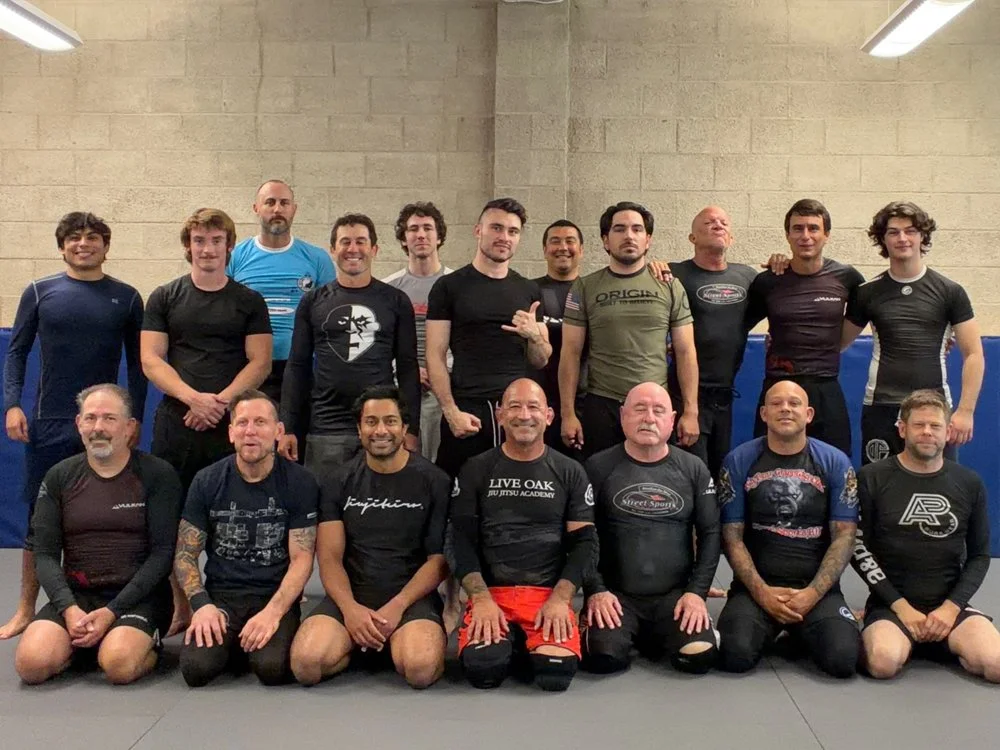
No. Most academies have students from a wide range of ages and backgrounds. It's common to train alongside professionals, parents, college students, and retirees.
What if I haven’t exercised in years?
That’s okay. Many students begin after long breaks from regular exercise. Your instructors will help you progress at a pace that matches your current fitness level.
How many times a week should I train?
Most beginners start with two or three classes each week. Consistent attendance is usually more important than trying to train every day.
Can adults start Jiu-Jitsu later in life?
Absolutely. Many of our members began training in their 30s, 40s, and even later. Brazilian Jiu-Jitsu can be adapted to a wide range of ages and fitness levels.
Why Adults from Santa Monica Choose
Street Sports BJJ
Many of our members come from Santa Monica, Sawtelle, Brentwood, West Los Angeles, and the surrounding Westside communities.
Some train before work.
Others come after work to clear their minds and stay active.
Many are balancing careers, family responsibilities, and busy schedules—just like you.
Whether you're 40, 50, or beyond, you'll find experienced instructors, welcoming training partners, and a community that wants to see you succeed.
It’s Never Too Late to Start
Many of our members come from Santa Monica, Sawtelle, Brentwood, West Los Angeles, and the surrounding Westside communities.
Some train before work.
Others come after work to clear their minds and stay active.
Many are balancing careers, family responsibilities, and busy schedules—just like you.
Whether you're 40, 50, or beyond, you'll find experienced instructors, welcoming training partners, and a community that wants to see you succeed.